
Landscape Lighting
Low-voltage path, accent, and security lighting designed for real yards.
- Licensed & insured
- Trained technicians
- Trained technicians
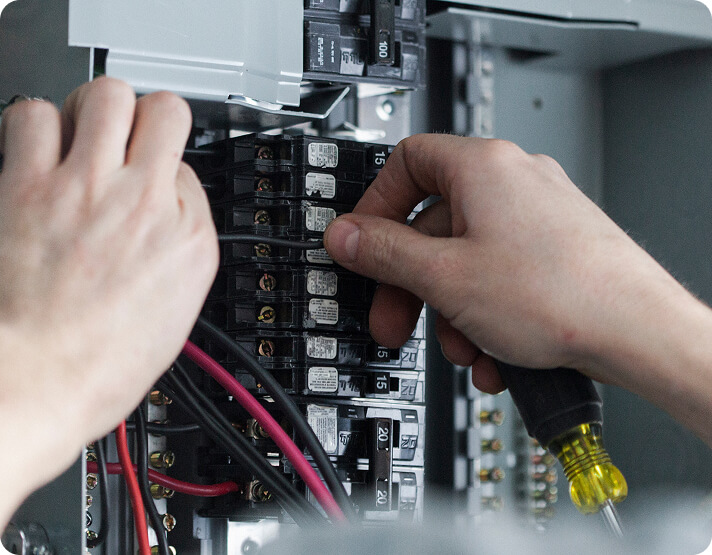
What Landscape Lighting Is
Landscape lighting is a low-voltage system that lights paths, plantings, architecture, and outdoor living areas after dark. A transformer steps household power down to a safe low voltage, feeding fixtures that are placed to create depth and contrast rather than flat, even brightness. Done well it improves safety and curb appeal at the same time, and because it runs at low voltage it stays efficient and gentle on the landscape it’s built into.
Reasons to Add It
People add landscape lighting to make walkways and steps safe at night, to deter intruders with well-lit approaches, to show off architecture and mature plantings, and to make patios and yards usable long after sunset. If your property goes dark and flat the moment the sun drops, or guests have to feel for the front step, lighting solves both the safety and the curb-appeal sides of the problem at once.
Dark walkways, steps, or driveways
A yard that's unusable after sunset
Wanting to highlight trees or architecture
Security concerns around entries and approaches
Curb appeal that disappears at night
Get A Landscape Lighting Here At Blue Moon Electrical
How It's Designed and Installed
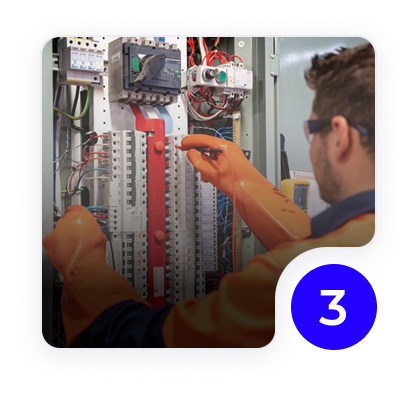
Good lighting starts with a plan: deciding what to light and what to leave dark, since contrast is what makes a yard look layered and intentional. The transformer is sized to the total fixture load, low-voltage cable is buried at a safe depth, fixtures are placed and aimed, and timers or a dusk-to-dawn photocell automate it. Burying the connections properly and sealing them is what keeps the system alive season after season.

Plan what to light and what to leave dark

Size the transformer to the fixtures
Bury cable and place fixtures
Set timers or a dusk-to-dawn photocell
What Affects the Cost
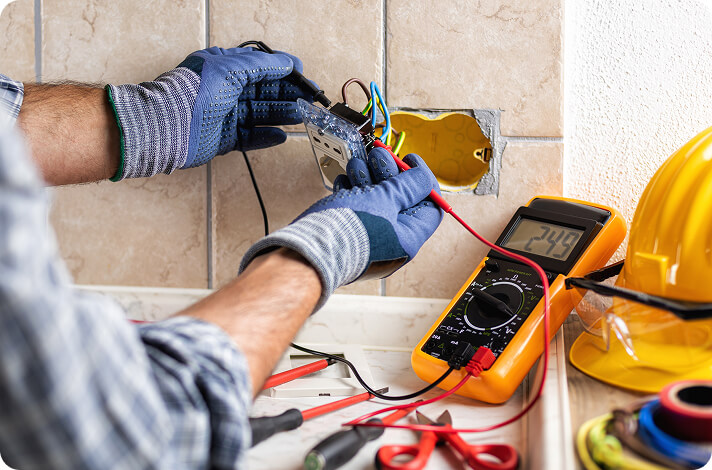
Cost tracks the number and type of fixtures, the size of the property, the length of the cable runs, and the controls you choose, from simple timers to smart, zoned systems. Quality fixtures cost more up front but survive the weather and last far longer than cheap kits. Trenching across established landscaping adds labor as well. We design the system to your goals and provide a firm written quote with upfront pricing.
Low-Voltage vs Solar
Solar lights are cheap and need no wiring, but their brightness is inconsistent and they fade in shade or through winter. A wired low-voltage system delivers steady, fully controllable light, supports better and more durable fixtures, and lasts for years, which is why it’s the choice for a result you’ll genuinely be happy with. The trade-off is the installation itself, and that is exactly where professional design and proper burial pay off.
Ready for expert service?
Don't wait any longer! Schedule your expert electrical service with Blue Moon Electrical today and ensure that your home or business is powered safely and efficiently.
Related Landscape Lighting Services
Even LED can and canless recessed lighting.
Security, flood, and architectural exterior lighting.
Fixtures, chandeliers, and ceiling fans installed.
Lighting Repair
Fix flickering fixtures, dead switches, bad dimmers.
All Electrical Panels services
All electrical services
Where We Work
Blue Moon Electrical serves homes and businesses across California, Texas, Washington, and New Jersey.
Landscape Lighting FAQs
Common questions about cost, timing, and permits for a panel upgrade.
Is low-voltage landscape lighting safe?
Yes. A transformer steps power down to a low voltage that’s safe around the yard, and properly buried, sealed connections keep it reliable. It’s both safer and more efficient than line-voltage outdoor lighting for most residential uses.
How long does landscape lighting last?
Quality LED fixtures on a properly installed low-voltage system can last many years with little maintenance. Longevity comes down to fixture quality and whether connections were buried and sealed correctly during installation.
Can the lighting be automated?
Yes. Timers, dusk-to-dawn photocells, and smart controllers can switch the system automatically and split it into zones, so different areas come on at different times without manual switching.