
Electrical Panel Repair
Hot panels, corrosion, and loose connections fixed before they become a fire risk.
- Licensed & insured
- Trained technicians
- 24/7 Emergency Service
By submitting, you agree to be contacted by Blue Moon Electrical about your request,
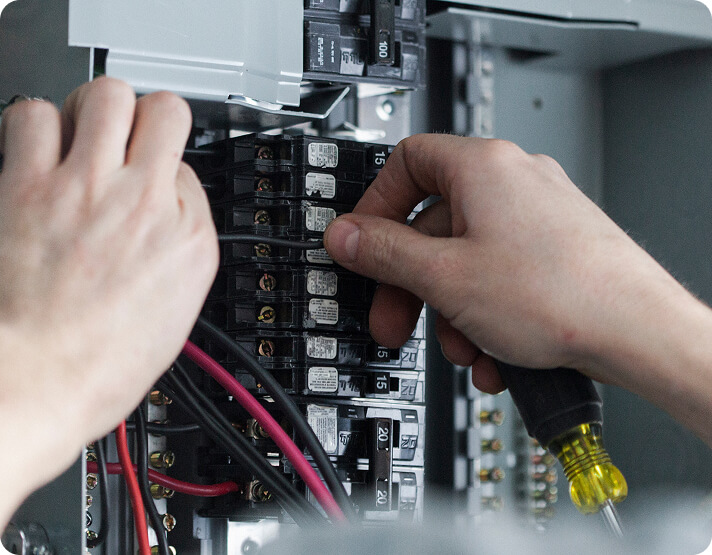
What Panel Repair Covers
Blue Moon Electrical’s electrical panel repair fixes the specific fault inside the enclosure instead of pushing a full replacement you don’t need. Panel repair addresses faults inside the enclosure without replacing the whole panel: a loose lug, an arcing connection, a corroded bus bar, a single failed breaker, or moisture damage. The goal is to restore safe operation where the panel is otherwise sound and worth keeping. The harder part of the job is honest judgment, because some faults are genuinely repairable and some mean the panel has reached the end of its safe life.
Signs of a Panel Problem
A panel asking for attention gives fairly clear signals: a burning or fishy smell, a warm or hot cover, buzzing or crackling inside, visible scorch marks, flickering across the whole house, or rust and corrosion. Any of these can point to arcing or overheating, which is exactly how electrical fires start. They warrant prompt diagnosis rather than waiting and watching, because a small fault left alone rarely stays small for long.
A burning, fishy, or hot-plastic smell
The panel cover is warm or hot
Buzzing, crackling, or scorch marks
Whole-house flickering or dimming
Rust, corrosion, or moisture inside
Get A Panel Repair Here At Blue Moon Electrical
How a Repair Is Made
The electrician de-energizes the panel, opens it up, and finds the actual fault rather than guessing at it. Loose connections are re-terminated and torqued to spec, corroded or damaged components are replaced, failed breakers are swapped for correct ones, and grounding is verified. The repair is then tested under load. Where the bus itself is damaged or the panel is an obsolete, unsafe model, the honest recommendation is replacement instead of a patch. Most electrical panel repair visits are completed in a single trip once the fault is found.

De-energize and open the panel
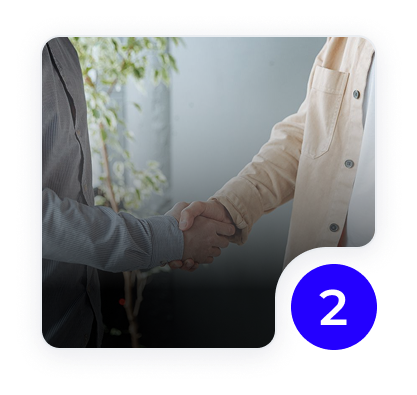
Locate the actual fault
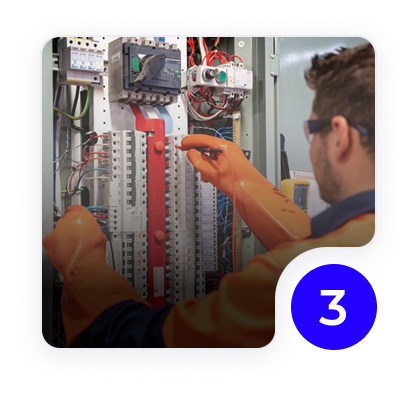
Re-terminate or replace affected parts
Verify grounding and test the repair

What Affects the Cost
Repair cost depends entirely on the fault: re-terminating a loose connection is minor work, while replacing a corroded bus or several breakers is far more involved. Obsolete panels can need discontinued parts that cost more and are harder to source. The key question is whether repair is even the right call, since money spent patching a panel that should be replaced is money wasted. We assess the panel first, then quote honestly.
Repair or Replace?
Plenty of panels are well worth repairing — a single bad breaker or a loose lug is a straightforward, safe fix. But when the damage reaches the bus, when corrosion is widespread, or when the panel is a discontinued model with a known safety record, repair only postpones the real solution. A trustworthy electrician tells you honestly which case you’re in, because the cheaper short-term choice isn’t always the safer one.
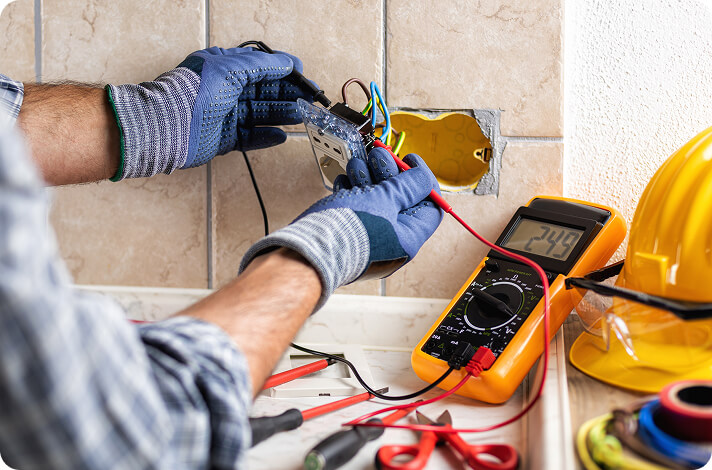
Ready for expert service?
Don't wait any longer! Schedule your expert electrical service with Blue Moon Electrical today and ensure that your home or business is powered safely and efficiently.
Related Panel Repair Services
Electrical Panel Upgrade
Increase service capacity to 200 amps for modern loads.
Circuit Breaker Replacement
Replace tripping, hot, or failed breakers safely.
Electrical Panel Installation
New service panels for builds, ADUs, and replacements.
Subpanel Installation
Add circuit capacity for garages, ADUs, and additions.
All Electrical Panels services
All electrical services
Where We Work
Blue Moon Electrical serves homes and businesses across California, Texas, Washington, and New Jersey.
Need Panel Repair?
Licensed crews, permitted work, upfront pricing at Blue Moon Electrical Panel Repair
Talk to an Expert — Request a Services
No obligation. We typically respond within 30 minutes during business hours.
- (213) 322-0128
- info@bluemoonelectrical.com
- 360 S Broadway #60, Los Angeles, CA 90013, United States
- Open 24 Hours (Sunday – Friday)
By submitting, you agree to be contacted by Blue Moon Electrical about your request.
Circuit Breaker Replacement FAQs
Common questions about cost, timing, and permits for a panel upgrade.
Q. Is a warm or buzzing electrical panel dangerous?
It can be. Warmth, buzzing, or a burning smell often points to a loose or arcing connection that generates heat — a genuine fire risk. It should be diagnosed promptly rather than left, and the affected circuit switched off if it can be reached safely.
Q. Can a panel be repaired, or does it need replacing?
Many faults, like a loose lug or a single bad breaker, are repairable. Replacement makes sense when the bus is damaged, corrosion is widespread, or the panel is an obsolete, unsafe model. An assessment determines which applies to yours.
Q. What causes corrosion inside a panel?
Moisture is the usual cause, often from a damp location, a leak, or weather reaching an exterior enclosure. Corrosion adds resistance and heat, so affected components are cleaned or replaced and the enclosure is sealed against further intrusion.