Subpanel Installation

Subpanel Installation

Add circuit capacity for garages, ADUs, and additions — fed and bonded correctly.

What A Panel Upgrade Is 1 - Blue Moon Electrical

What a Subpanel Does

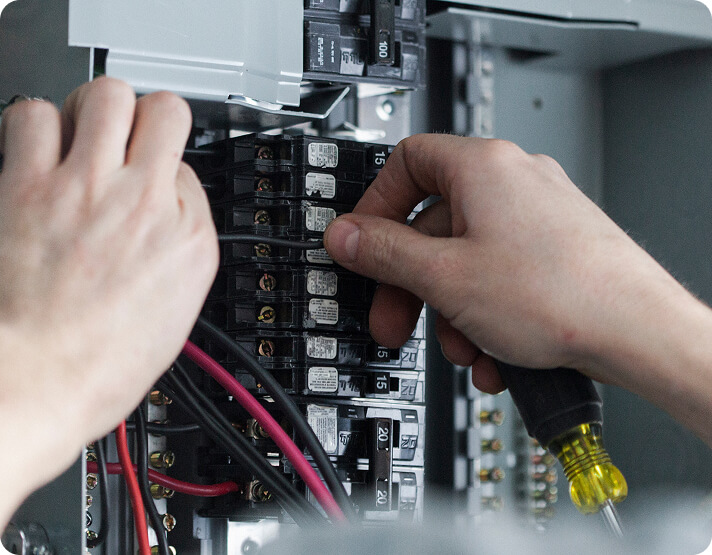
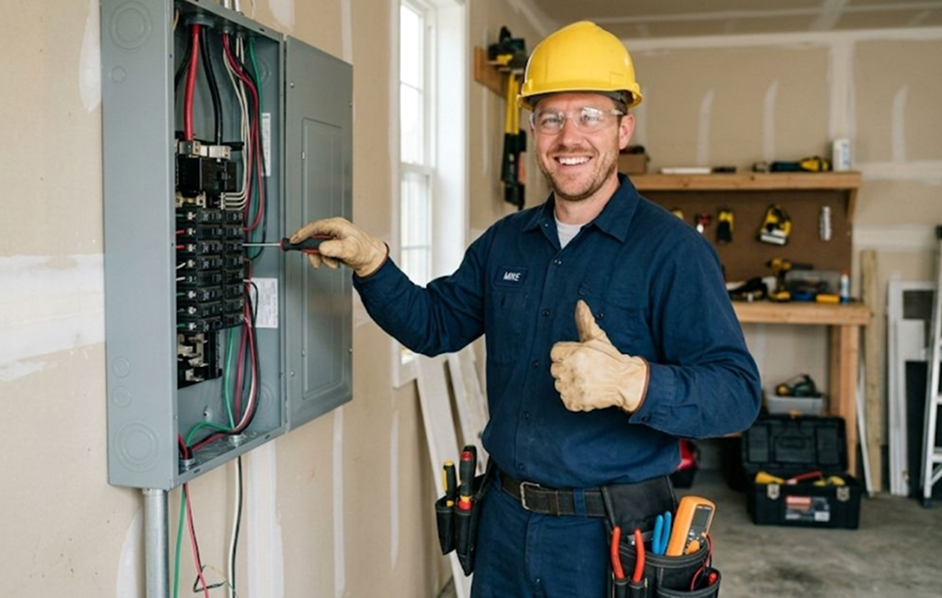
Blue Moon Electrical’s subpanel installation starts by confirming your main service can actually support the added load. A subpanel is a smaller breaker panel fed from your main panel that distributes power locally, in a garage, workshop, ADU, or addition. Instead of running many long circuits back to a crowded main, you run one feeder to the subpanel and branch out from there. It adds organized capacity and keeps the main panel from overflowing, which is why it’s the usual answer when slots run out or power needs to travel.

When a Subpanel Makes Sense

Across our California service area, ADU and garage-conversion projects are a common reason for a subpanel. The state’s push for more accessory dwelling units means more homes are adding a self-contained living space that needs its own local circuits, and a subpanel is usually the cleanest way to power one without overloading the main panel.

The main panel is out of breaker spaces

A garage, shop, or ADU needs local circuits

A remodel adds many loads in one area

Long individual runs back to the main panel

Planning EV charging or heavy tools in one space

Get A Subpanel Installation Here At Blue Moon Electrical 

How It's Installed

The electrician first confirms the main service can handle the added load, then sizes the feeder and its protecting breaker to the subpanel’s rating. The feeder is run in the right cable or conduit for the location, the subpanel is mounted, and — critically — the neutral and ground are kept separate inside it. Branch circuits are then landed and clearly labeled, and the work is permitted and inspected wherever that’s required. Every subpanel installation is fed with a correctly sized feeder and breaker, not just whatever wire was on hand.
Group - Blue Moon Electrical

Confirm the main service can carry the load

Group - Blue Moon Electrical

Size the feeder and protective breaker
Group - Blue Moon Electrical

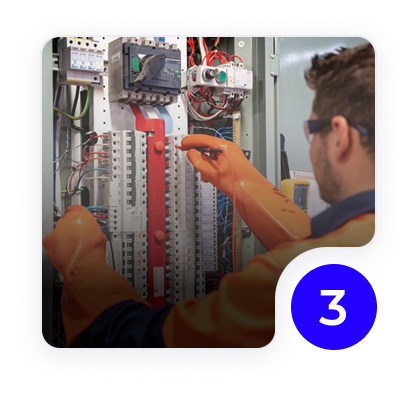
Mount the subpanel; keep neutral and ground separate

Group - Blue Moon Electrical

Land, label, and inspect the circuits
About Blue Moon Electrical - Blue Moon Electrical

What Affects the Cost

As a starting point, subpanel installation begins from $1,000. Where your project lands depends on amperage, feeder distance, and whether the subpanel goes in a detached structure.

Sizing and Placement

Most residential subpanels run 60, 100, or 125 amps, depending on the load. A garage with a few tools and some lighting can often work on 60 amps. A garage with an EV charger, a workshop, or an ADU usually needs 100 amps or more. We size to the actual planned load, not a default number.
Bluemoon Outlet Services - Blue Moon Electrical
Bluemoon Our Commitment 1 - Blue Moon Electrical

The Wiring Detail That Makes a Subpanel Safe

In your subpanel, the neutral wire and the ground wire need to stay on separate paths instead of connecting to each other. That’s different from your main panel, where they are joined together.

If they’re connected the wrong way in a subpanel, electricity can flow back through parts of your home’s grounding system that were never meant to carry current. That raises the risk of shock and fire, and it’s one of the most common mistakes we find on unpermitted or DIY subpanel work.

It’s also required by electrical code (NEC 250.24(A)(5)), so it’s not optional. It’s part of what an inspector checks before signing off. Our electricians isolate the neutral properly and run a separate ground path every time, so your subpanel is both safe and code-compliant from day one.

Ready for expert service?

Don't wait any longer! Schedule your expert electrical service with Blue Moon Electrical today and ensure that your home or business is powered safely and efficiently.

Related Subpanel Installation Services

Electrical Panel Upgrade

Increase service capacity to 200 amps for modern loads.

Circuit Breaker Replacement

Replace tripping, hot, or failed breakers safely.

Electrical Panel Installation

New service panels for builds, ADUs, and replacements.

Electrical Panel Repair

Fix hot panels, arcing, and corroded connections.

All Electrical Panels services

All electrical services

Where We Work

Blue Moon Electrical serves homes and businesses across California, Texas, Washington, and New Jersey.

What Our Customers Say

5.0 – Star rated across 6.3K+ reviews on Google and Yelp.

★★★★★

“We needed a dedicated subpanel for our new detached garage workshop. Blue Moon executed the installation flawlessly, keeping all wiring neat and hidden.”

Holly S.

Icons8 Google Logo 48 - Blue Moon Electrical
★★★★★

“Installed a subpanel to handle our hot tub and outdoor kitchen. The team calculated the load perfectly and completed the job right on schedule.”

Raymond F.

Icons8 Google Logo 48 - Blue Moon Electrical
★★★★★

“Blue Moon added a subpanel for our basement suite renovation. Their attention to detail made our city safety inspection pass with zero issues.”

Cynthia C.

Icons8 Google Logo 48 - Blue Moon Electrical

Need Subpanel Installation?

Licensed crews, permitted work, upfront pricing at Blue Moon Electrical Subpanel Installation

Talk to an Expert — Request a Services​

No obligation. We typically respond within 30 minutes during business hours.

By submitting, you agree to be contacted by Blue Moon Electrical about your request.

Subpanel Installation FAQs

Common questions about cost, timing, and permits for subpanel installation.

Q. What's the difference between a main panel and a subpanel?

The main panel contains the main disconnect and feeds the whole home. A subpanel is fed from the main and distributes power to one area or structure. A key wiring difference is that the neutral and ground are bonded in the main but kept separate in a subpanel.
If the main service has enough capacity but no free spaces, a subpanel adds circuits. If the service itself is undersized for your total load, an upgrade comes first. A load calculation tells you which path fits.
Generally yes. A subpanel in a separate building usually requires its own grounding electrode, while one in the same building does not. The exact requirement follows current code for your setup.