
Fire Alarm Installation
Interconnected, hardwired alarms for homes and businesses — placed and tested to code.
- Licensed & insured
- Trained technicians
- 24/7 Emergency Service
By submitting, you agree to be contacted by Blue Moon Electrical about your request,
WHAT IT IS
What a Fire Alarm System Is
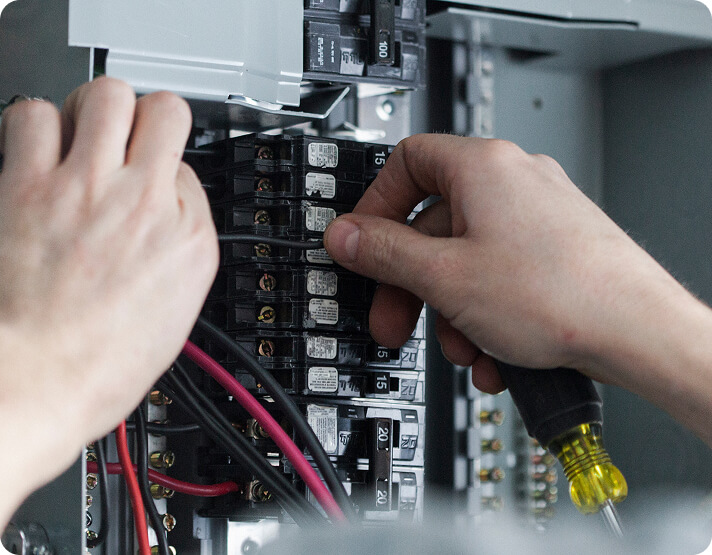
Blue Moon Electrical’s fire alarm installation is designed around code, not just what’s easiest to wire. A fire alarm system is a network of detectors and alarms wired to act as one: when any device senses smoke or heat, every alarm sounds, anywhere in the building. For homes that means interconnected, hardwired smoke and CO units with battery backup; for businesses it can extend to monitored, code-governed systems. The interconnection is the whole point, because an alarm two rooms away is the one that wakes you in time.
SIGNS YOU NEED IT
When You Need One
A new or upgraded system is called for in new construction and major remodels, in homes still relying on unlinked battery detectors, and in any commercial space subject to fire-code requirements. Multi-family buildings and rentals carry their own specific obligations. If your detectors don’t talk to each other, are well past their service life, or don’t cover every required area, the system simply isn’t doing the job it’s actually there to do.
New construction or a major remodel
Unlinked, battery-only detectors
Detectors past their service life
A commercial space under fire code
A multi-family building or rental
Get A Fire Alarm Installation Here At Blue Moon Electrical
HOW IT'S DONE
How It's Installed
The electrician designs the device layout to code, placing detectors exactly where required and avoiding spots prone to false alarms. Units are hardwired, interconnected, and given battery backup, with combination smoke and CO devices added where appropriate. Commercial systems are coordinated with the authority having jurisdiction and any monitoring service. The whole network is tested end to end, and the work is permitted and inspected so it’s fully verified before anyone relies on it. Every fire alarm installation is tested device by device before we call the job done.

Design the device layout to code

Hardwire and interconnect the units
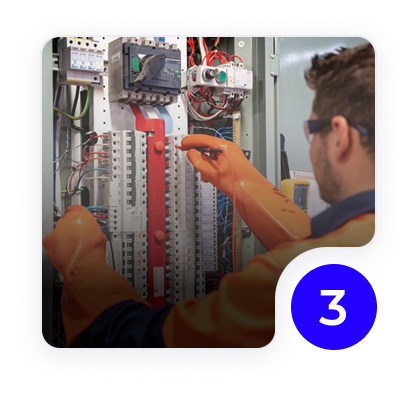
Add battery backup and CO where needed

Test the network; permit and inspect

WHAT AFFECTS COST
What Affects the Cost
Residential cost depends on the number of devices, whether the home is already wired for interconnection, and the access for running new cable. Commercial systems cost more because they involve control panels, monitoring, and stricter code and inspection requirements throughout. Combination smoke and CO units and any smart features add to it. We design to the building and its specific code obligations, then provide a firm written quote with upfront pricing.
HOW TO CHOOSE / TYPES
Residential vs Commercial
A home system centers on interconnected smoke and CO detection with battery backup, sized to the bedrooms, the levels, and the required areas. A commercial system answers to much stricter code, often adding a control panel, monitoring, and a formal inspection by the authority having jurisdiction. The building’s use and occupancy decide which rules apply. Designing to the correct standard right from the start avoids failed inspections and costly rework down the line.
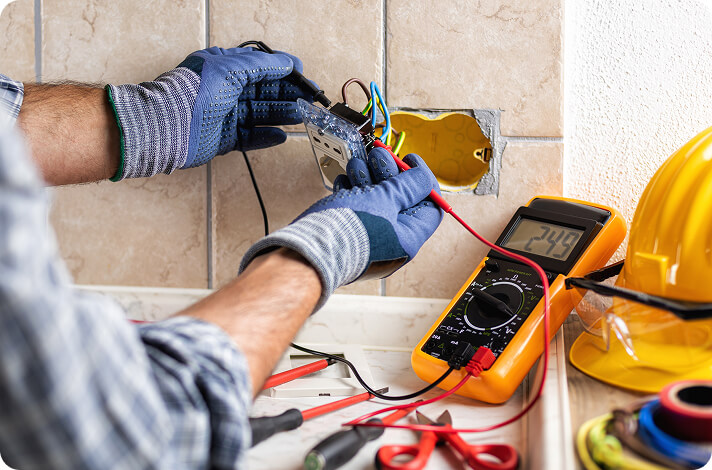
Same-day service
Ready for expert service?
Don't wait any longer! Schedule your expert electrical service with Blue Moon Electrical today and ensure that your home or business is powered safely and efficiently.
Related Fire Alarm Installation Services
Smoke Detector Installation
Hardwired, interconnected smoke and CO alarms.
Whole-House Surge Protector Installation
Panel-level protection against voltage spikes.
Electrical Troubleshooting
Diagnose flickers, dead outlets, and trips.
Electrical Safety Inspection
Full system inspection with a written report.
All Electrical Panels services
All electrical services
AVAILABLE IN THESE AREAS
Where We Work
Blue Moon Electrical serves homes and businesses across California, Texas, Washington, and New Jersey.
California
Texas
Washington
New Jersey
EMERGENCY CALLOUT
Need Fire Alarm Installation?
Licensed crews, permitted work, upfront pricing at Blue Moon Electrical Fire Alarm Installation
Free Quote
Talk to an Expert — Request a Services
No obligation. We typically respond within 30 minutes during business hours.
- (213) 322-0128
- info@bluemoonelectrical.com
- 360 S Broadway #60, Los Angeles, CA 90013, United States
- Open 24 Hours (Sunday – Friday)
By submitting, you agree to be contacted by Blue Moon Electrical about your request.
Circuit Breaker Replacement FAQs
Common questions about cost, timing, and permits for a panel upgrade.
Q. What does interconnected mean?
Interconnected alarms are linked so that when one detects smoke or heat, all of them sound. That’s required in new construction and many remodels, because it warns everyone in the building, not just those near the source.
Q. Do I need combination smoke and CO detectors?
Where a fuel-burning appliance, attached garage, or code requirement is present, carbon-monoxide detection is needed alongside smoke detection. Combination units cover both, and placement follows code for each hazard.
Q. How is a commercial fire alarm system different?
Commercial systems are governed by stricter codes and often include a control panel, monitoring, and inspection by the authority having jurisdiction. They’re designed and documented to meet the building’s occupancy and use requirements.